
Appropriators restore funding for Commerce’s TraCSS spacewatch effort
After a drastic reduction proposed by the White House, the Senate Appropriations Committee would fund the Office of Space Commerce at $60 million in FY26 to continue with TraCSS.
After a drastic reduction proposed by the White House, the Senate Appropriations Committee would fund the Office of Space Commerce at $60 million in FY26 to continue with TraCSS.
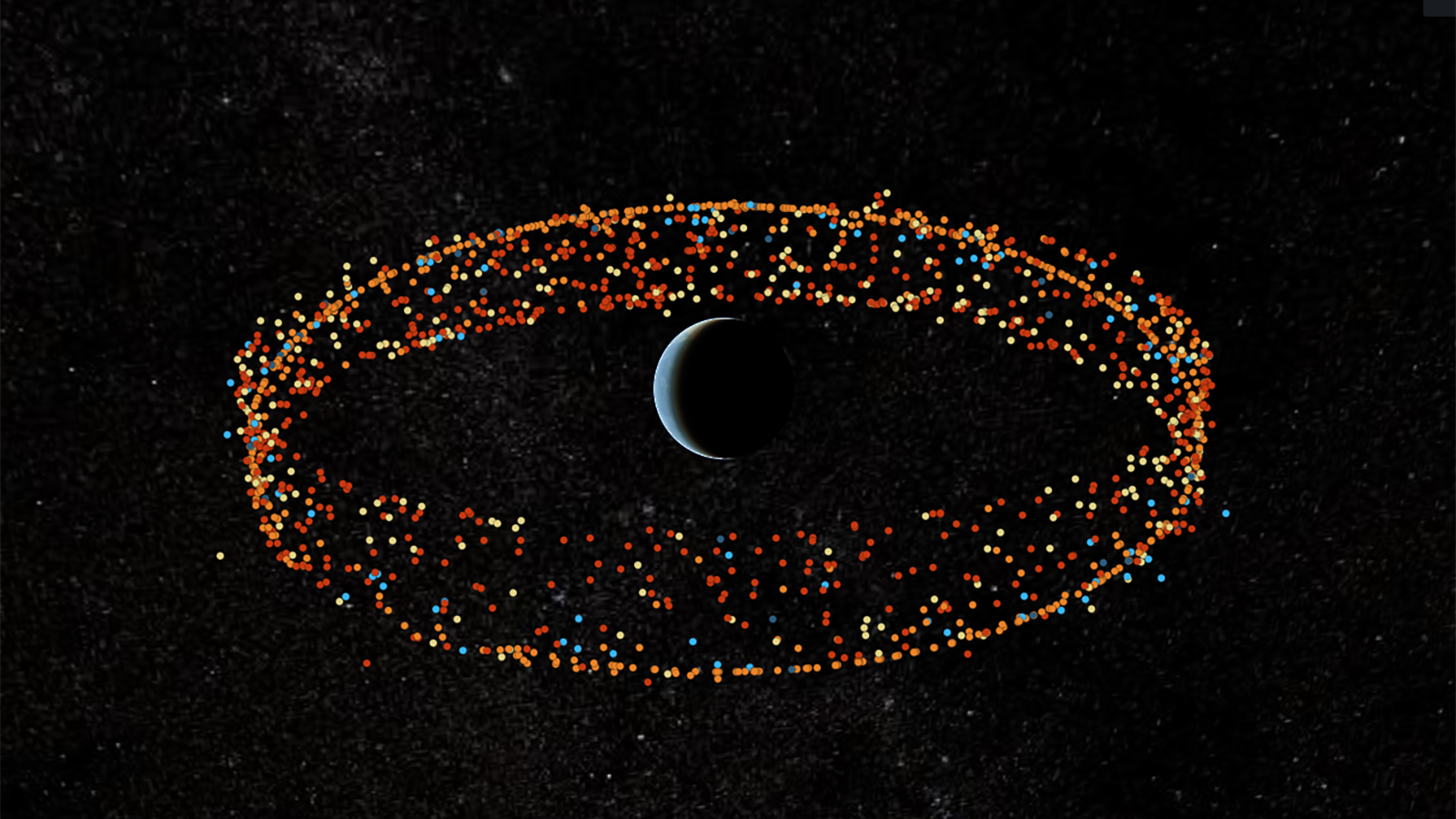
The Trump administration’s budget would dramatically shrink the Office of Space Commerce and cancel an effort to transition responsibilities for keeping tabs on civil satellites from the Pentagon to the Commerce Department.


Blending superior optics, advanced stabilization and AI-powered autonomy in a compact and rugged system, ASELFLIR 600 delivers unmatched intelligence, surveillance and reconnaissance (ISR) capabilities.

Beyond the potential consequences for the US industry, a reduction in NRO acquisition of commercial imagery also could directly impact US and allied military commanders in the field and US agencies charged with disaster relief, industry and government officials warned.

Many of the sensors contributed by the 15 EU SST participating states are military assets, and the European Defence Fund also is being tapped to help foster commercial innovation in the space situational awareness domain.
Representatives of US remote sensing firms remain extremely nervous about possible roadblocks to future plans that require either new licenses or license modifications due to the personnel downsizing resulting from the efforts of Elon Musk's DOGE team to chop the size of the federal bureaucracy.
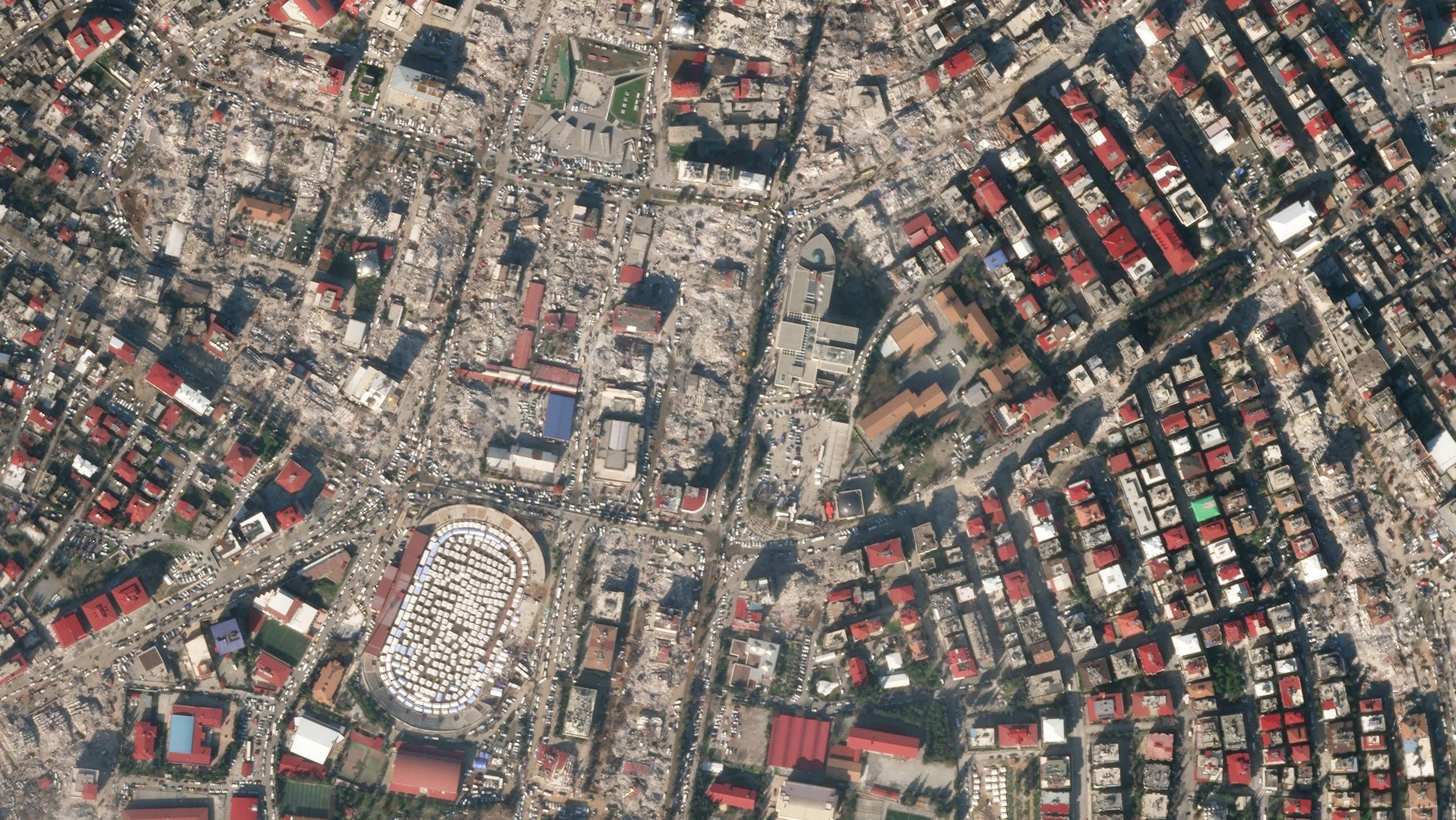
License holders are receiving emails saying that all correspondence with the Commercial Remote Sensing for Regulatory Affairs is now being routed to the NOAA Office of General Counsel as no "senior personnel remain in the office," according to communications reviewed by Breaking Defense.
Michigan’s defense ecosystem and expertise makes it a special asset for production.
"[W]e won't be able to sell the premium technology, which means we'll be out competed by [Finland's] ICEYE and other competitors in the global market," Umbra's Jason Mallare told Breaking Defense.

A global ecosystem that shares space situational awareness data can secure a safe future for space, but much greater international coordination is needed, according to a new document from the Office of Space Commerce.

"This oversight regime will balance economic competitiveness together with safety, security, sustainability, and responsibility," states the new United States Novel Space Activities Authorization and Supervision Framework.
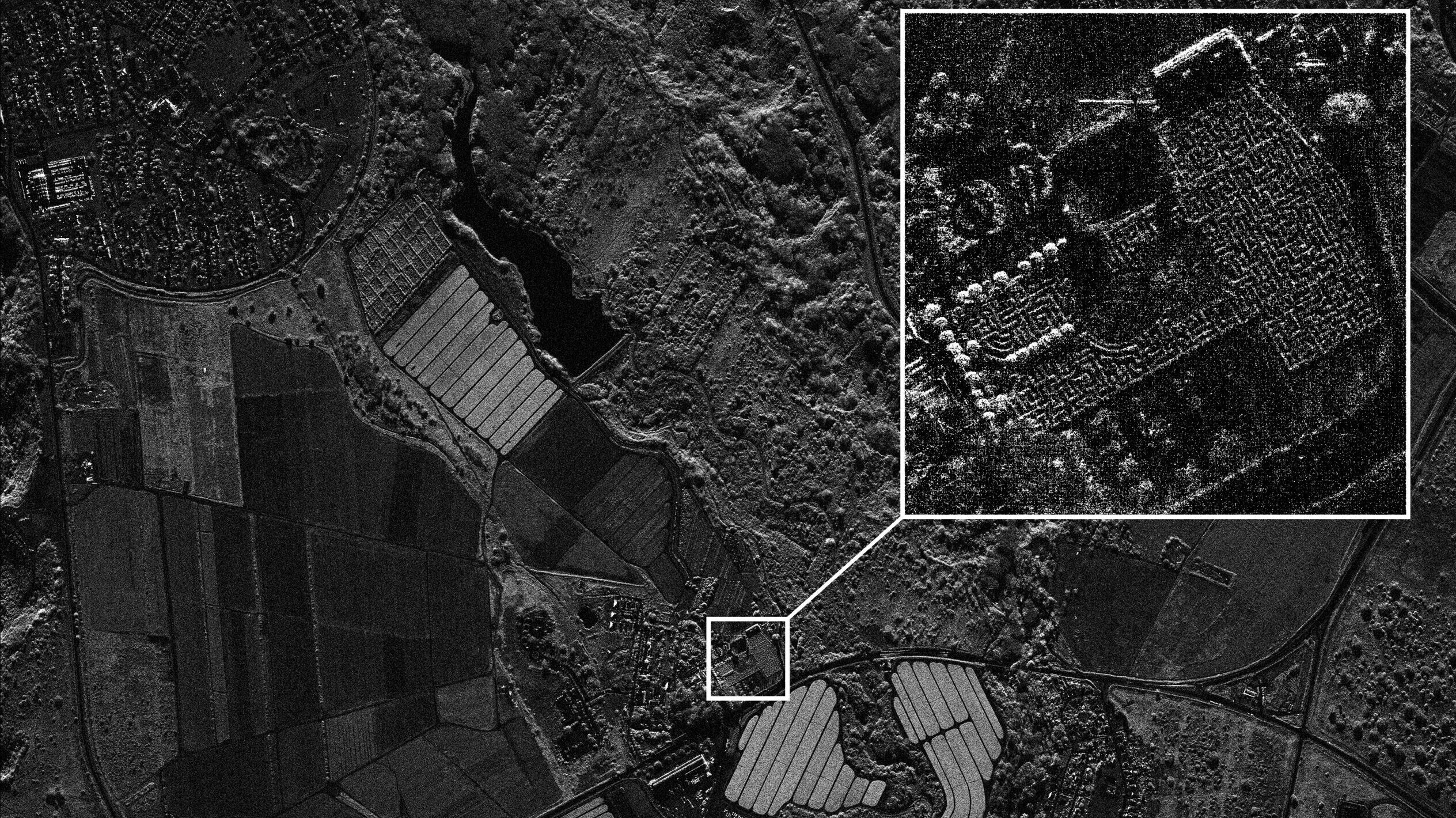
The changes included, among other things, the removal some restrictions on non-Earth imaging and rapid revsits of ground targets, NOAA explained, "and most notably," a removal of all of the restrictions imposed in 2020 on X-band synthetic aperture radar (SAR).


Consolidate network monitoring, performance management, and fault isolation into a single, comprehensive solution.
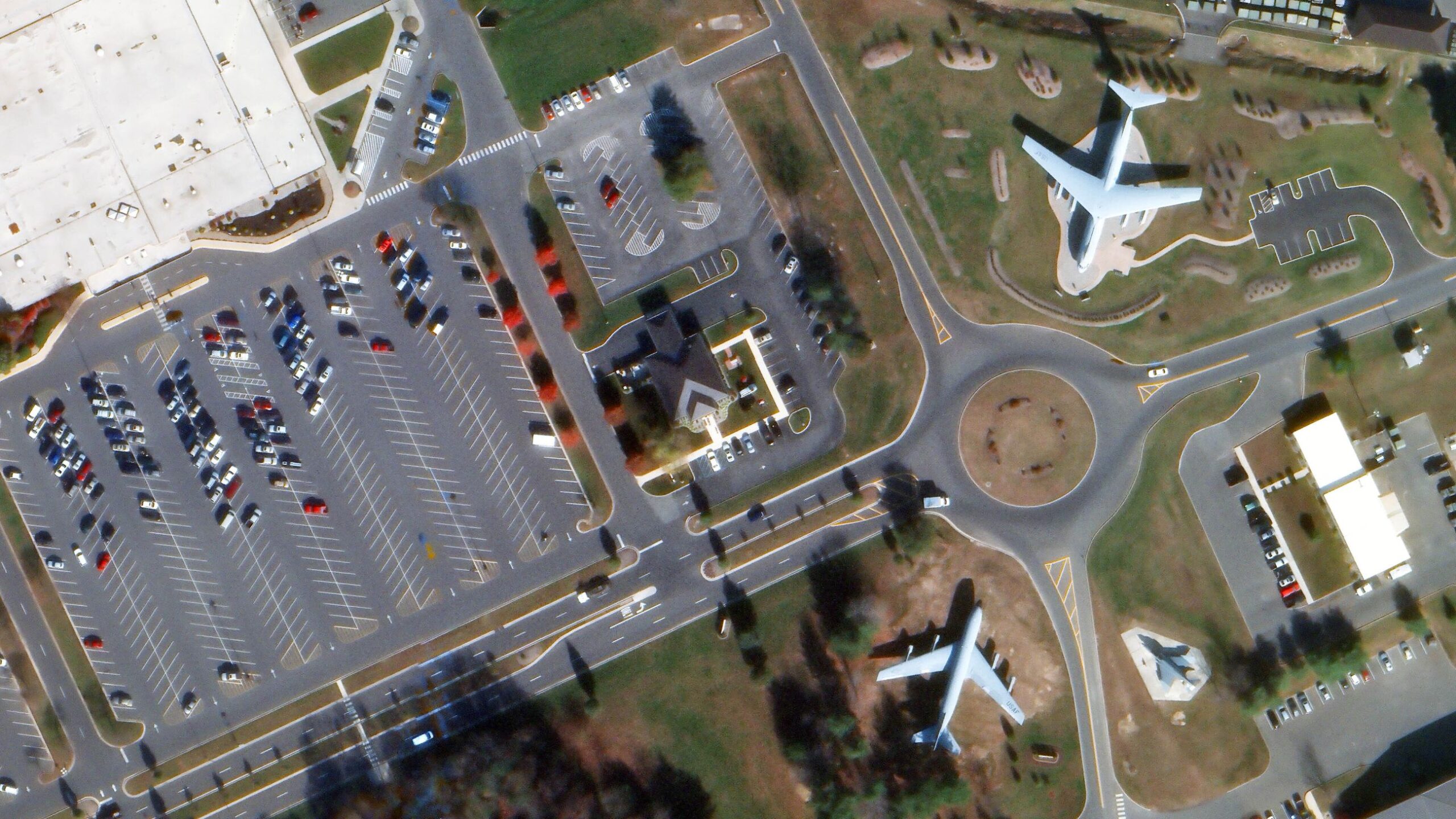
Under a new grant, the company will demonstrate to the Air Force's National Air and Space Intelligence Center its ability to take very high resolution images at night using a thermal infrared sensor.
"China is a major space player and will be a major space player. They are not participating in the global dialogue, and in global information sharing on SSA. That's unsustainable," said Richard DalBello, head of the Commerce Department's Office of Space Commerce.

There are a host of open questions bedeviling national and international policy- and law-makers as they struggle to get a better grip on both the explosion of commercial players with innovative ideas for space utilization and the growing military interest in space as a tool of, and venue for, war.
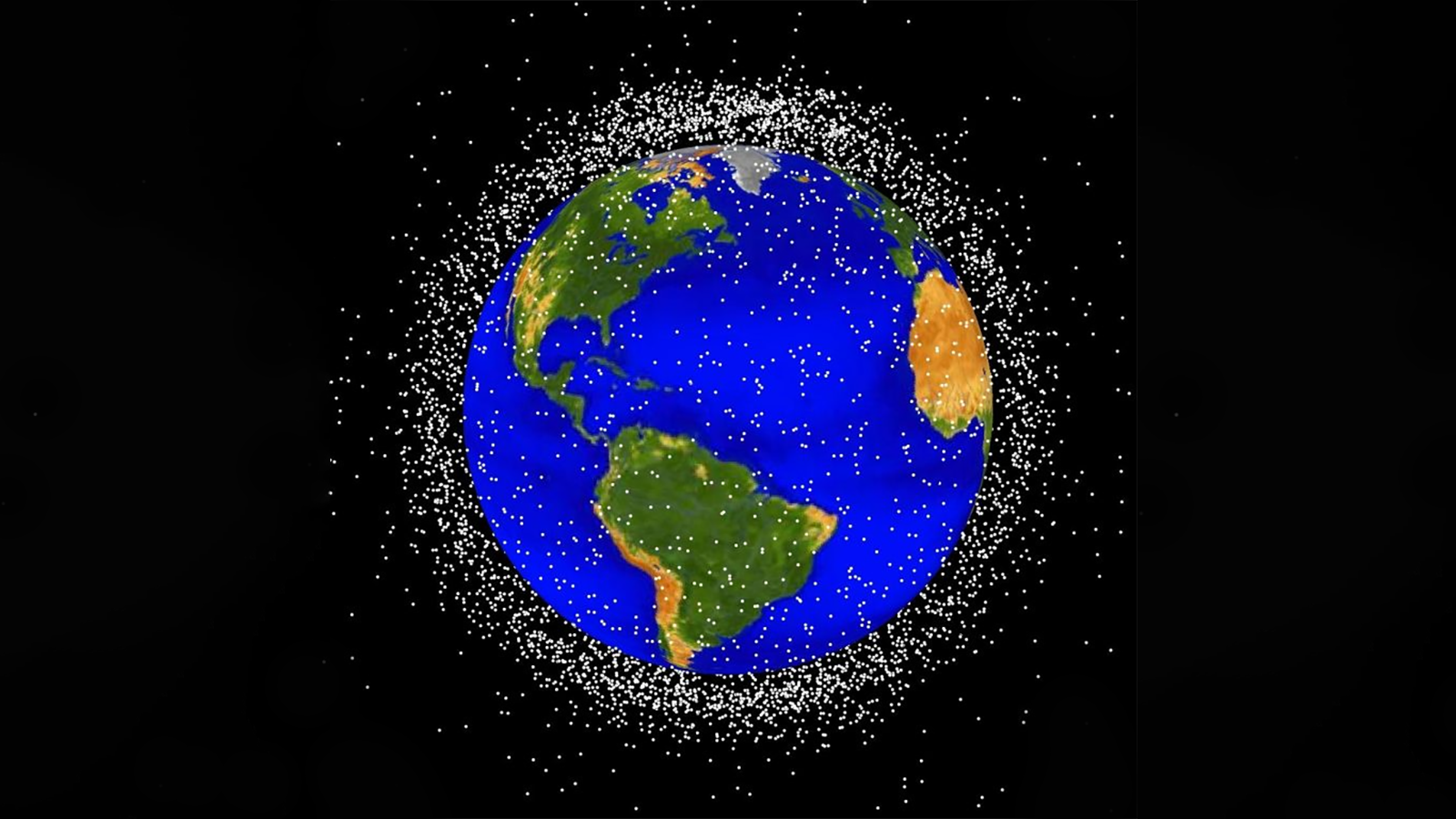
The joint DoD-Commerce SSA pilot launched Dec. 5 and will run for two months.